Treatment

Kalarippayattu

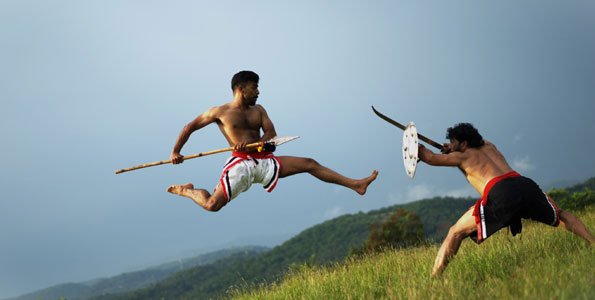
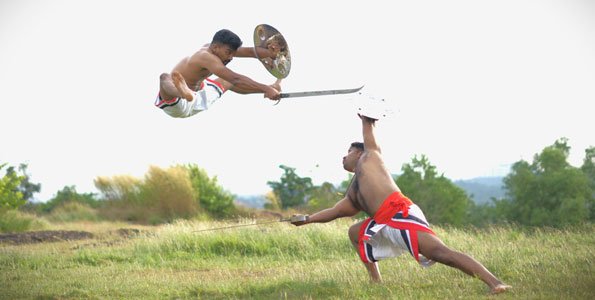
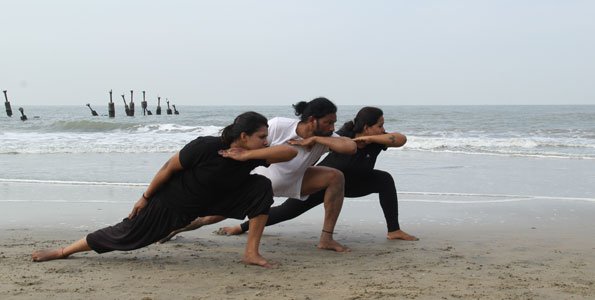
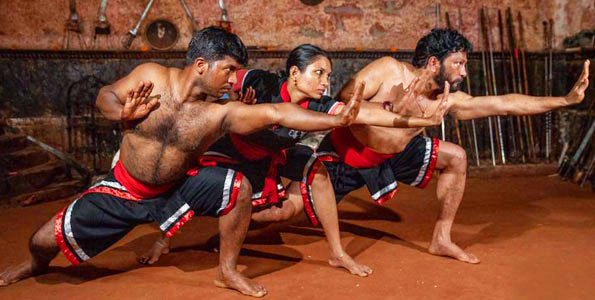
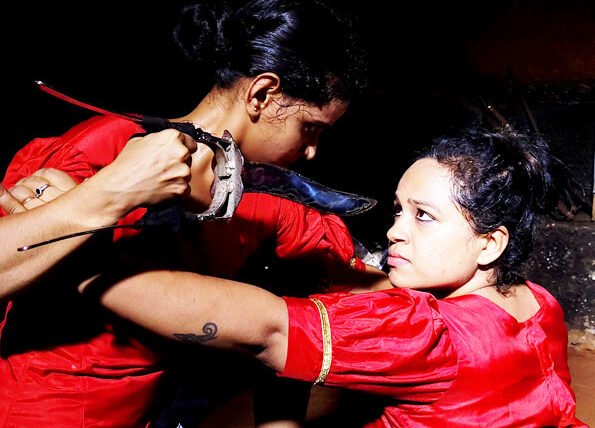
Kalarippayattu is a traditional Indian martial art that originated in the southern state of Kerala. It’s one of the oldest fighting systems in existence, dating back over 3,000 years. Kalarippayattu encompasses various elements such as strikes, kicks, grappling, weaponry, and even healing techniques.

The practice of Kalarippayattu involves rigorous physical training, focusing on flexibility, strength, agility, and coordination. Techniques are often practiced in a stylized, choreographed manner, but they can also be adapted for practical self-defense.

One unique aspect of Kalarippayattu is its emphasis on holistic development. In addition to combat skills, practitioners are taught breathing exercises, meditation, and traditional Indian medicine (Ayurveda). These elements are believed to contribute to overall well-being and balance.

Historically, Kalarippayattu was practiced within designated training grounds called kalari, which also served as centers for cultural and spiritual education. Today, while it’s still practiced as a martial art, it has also gained recognition as a form of physical fitness and cultural heritage.

The art has influenced other martial arts, including some forms of karate and kung fu. It’s also been featured in various films, showcasing its dynamic movements and rich cultural significance.

Kalari Marma

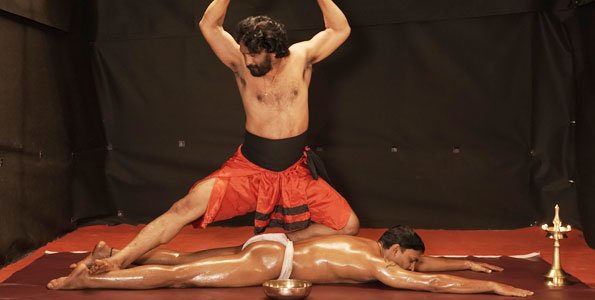
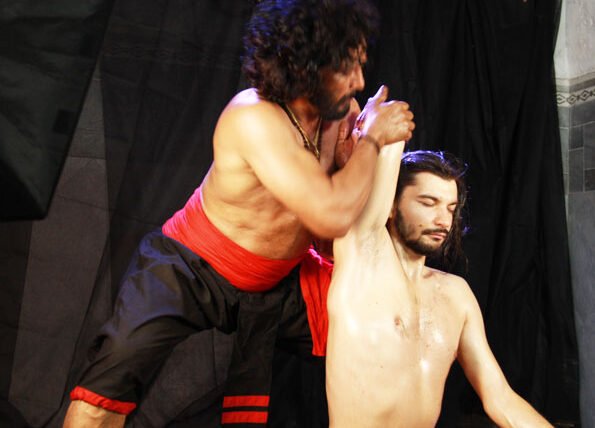
Kalari Marma refers to a specific aspect of the ancient Indian martial art of Kalarippayattu. “Marma” translates to “vital points” in Sanskrit, and it encompasses the knowledge of the body’s vulnerable points, including nerves, veins, arteries, tendons, and vital organs. In Kalari Marma, practitioners learn how to target and manipulate these vital points for both offensive and defensive purposes.

The understanding of Marma points is crucial in Kalarippayattu for several reasons:

1. Self-defense: Knowing the vulnerable points of the body enables practitioners to defend themselves effectively against attackers. By targeting these points, they can incapacitate or disarm opponents with minimal force.

2. Healing: Marma points are also used in Ayurvedic medicine for therapeutic purposes. In Kalari Marma, practitioners learn how to apply pressure or manipulation to specific points to alleviate pain, improve circulation, and promote overall well-being.

3. Combat effectiveness: In combat situations, targeting Marma points can quickly incapacitate an opponent, making Kalari Marma a formidable martial art. Precise strikes to these vital areas can cause severe pain, paralysis, or even death if executed with sufficient force and accuracy.

Training in Kalari Marma involves a deep understanding of anatomy, physiology, and biomechanics. Practitioners learn not only where these points are located but also how to access them effectively under various combat scenarios. Additionally, they develop the sensitivity and precision required to strike or manipulate these points with precision and control.

Overall, Kalari Marma is a fundamental aspect of Kalarippayattu, enhancing its effectiveness as both a martial art and a holistic system of physical and mental development.

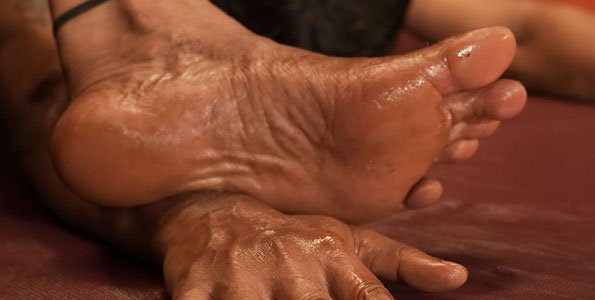
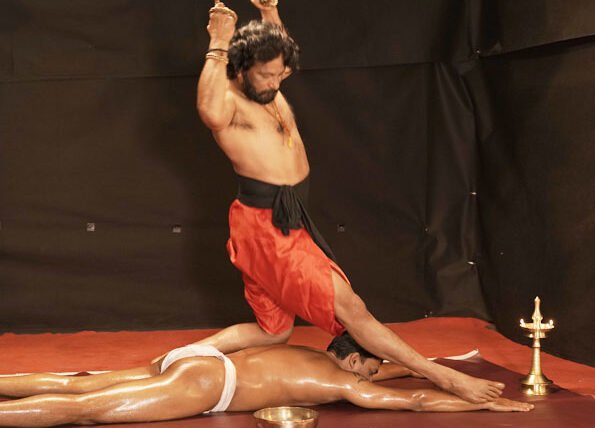
Neck, Back, Spinal and Knee Special Treatment

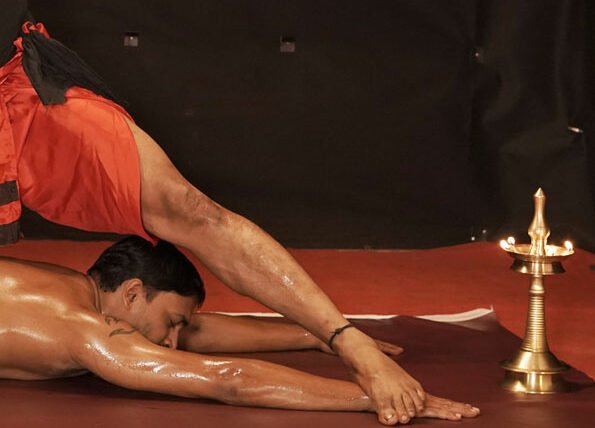
In Kalarippayattu, the traditional martial art from Kerala, India, the concept of Marma plays a significant role not only in combat but also in healing and pain relief. Marma points are vital energy centers located throughout the body, similar to acupuncture points in Traditional Chinese Medicine. These points are believed to be intersections of muscles, veins, ligaments, bones, and joints, as well as the seat of prana (vital life force).

In Kalari Marma, practitioners are trained to manipulate these Marma points for therapeutic purposes, including pain relief. Here’s how pain relief is approached within the context of Kalari Marma:

1. Identifying Marma Points: Practitioners learn the location and significance of various Marma points in the body. These points are categorized based on their anatomical location and function, and each has specific effects when stimulated.

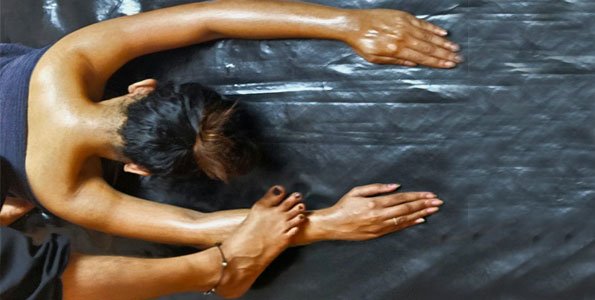
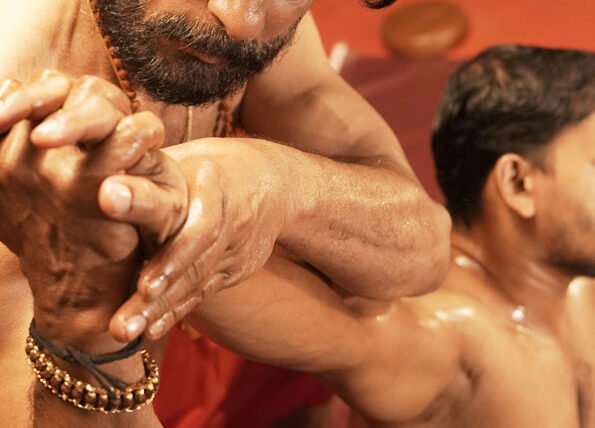
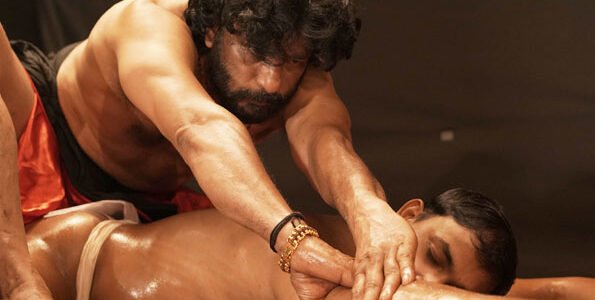
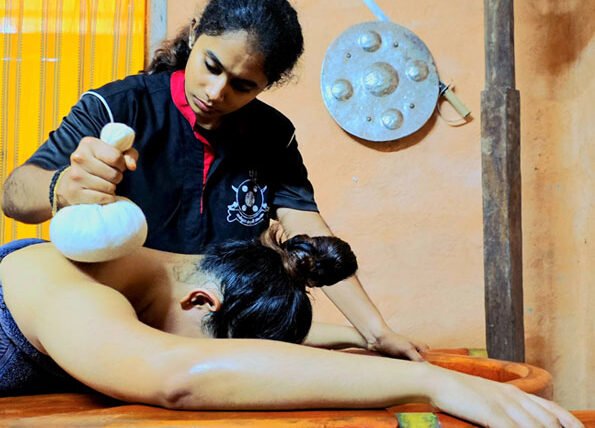
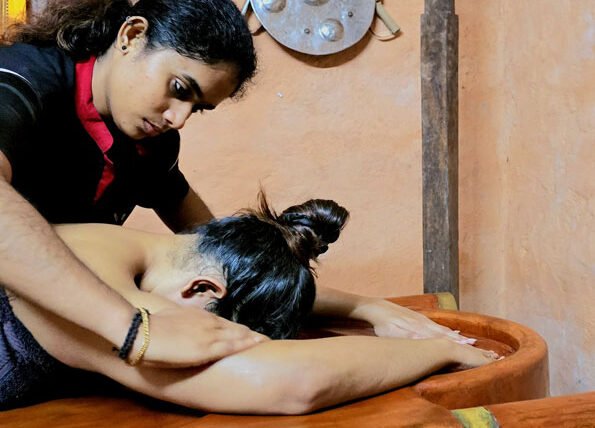
2. Techniques for Pain Relief: Kalari Marma employs various techniques to stimulate or manipulate Marma points to alleviate pain. These techniques may include gentle pressure, massage, tapping, or striking with specific hand techniques or specialized instruments.

3. Restoring Energy Flow: According to Ayurvedic and Yogic principles, pain is often associated with the obstruction or imbalance of prana (life force) in the body. By stimulating Marma points, practitioners aim to restore the smooth flow of energy and remove blockages, which can help alleviate pain and promote healing.

4. Herbal Remedies: In addition to manual techniques, Kalari Marma may incorporate the use of herbal oils, poultices, or liniments to enhance pain relief and facilitate healing. These herbal preparations are often chosen for their analgesic, anti-inflammatory, and healing properties.

5.Individualized Treatment: Just like in Ayurveda, treatment in Kalari Marma is often personalized based on individual constitution, the nature of the pain, and underlying imbalances. Practitioners assess the root cause of the pain and tailor their approach accordingly.

It’s important to note that while Kalari Marma techniques can be effective for pain relief, they should be performed by trained and experienced practitioners to avoid injury or exacerbation of existing conditions. Additionally, Kalari Marma is often used in conjunction with other holistic healing modalities, such as Ayurveda, yoga, and meditation, to address pain comprehensively and promote overall well-being.

Kalari Yoga and Meditation

Yoga and meditation are closely related practices that originated in ancient India and are now popular worldwide for their numerous physical, mental, and spiritual benefits.

Yoga:
Yoga is a holistic system that encompasses physical postures (asanas), breath control (pranayama), meditation (dhyana), and ethical principles. The word “yoga” itself means union or integration, referring to the union of body, mind, and spirit. Yoga aims to promote harmony, balance, and well-being on all levels.

1. Physical Benefits: Practicing yoga asanas improves flexibility, strength, and balance. It also enhances circulation, supports joint health, and can alleviate tension and pain in the body.

2.Mental Benefits: Yoga encourages mindfulness and presence by focusing attention on the breath and bodily sensations. Regular practice can reduce stress, anxiety, and depression, promoting mental clarity, emotional resilience, and a sense of inner peace.

3.Spiritual Benefits: While yoga is not inherently religious, it has deep spiritual roots. For some practitioners, yoga provides a path for self-discovery, self-realization, and connection to something greater than oneself.

Meditation:
Meditation is a practice of cultivating awareness and cultivating a calm, focused state of mind. There are many forms of meditation, including mindfulness meditation, concentration meditation, loving-kindness meditation, and transcendental meditation, among others. The goal of meditation is to quiet the chatter of the mind, deepen self-awareness, and access a state of inner peace and clarity.

1.Stress Reduction: Regular meditation practice has been shown to reduce stress levels by lowering cortisol levels, promoting relaxation, and inducing the body’s relaxation response.

2.Improved Concentration: Meditation strengthens the ability to sustain attention and focus, leading to improved concentration, cognitive function, and productivity.

3.Emotional Well-being: Meditation cultivates emotional resilience and equanimity by helping individuals observe and regulate their thoughts and emotions without becoming overwhelmed or reactive.

4.Spiritual Growth: Many spiritual traditions incorporate meditation as a means of deepening one’s connection to the divine, accessing higher states of consciousness, and experiencing inner peace and fulfillment.

Both yoga and meditation can be practiced independently or in combination, and they complement each other synergistically. Together, they offer powerful tools for self-care, personal growth, and holistic well-being.

Cosmic Energy Rotation

As per Ayurveda acharya’s the foundation of body depends upon the 96 principles. The factors responsible for the Vitiation and non vitiation of deseases are the most potent elements of the nature which are collectively called panchamahaboodha. Earth, water, fire, air, space are widely related with human body. Blood and oxygen are responsible for the prime activities of the body.

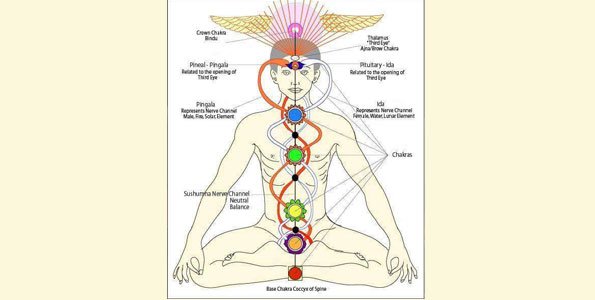
The shatchakra system refers to the six primary energy centers along the sushumna nadi in the human body. These chakras regulate physical mental and spiritual well being. They are associated with different elements, colours, sounds, smells and deities in yogic philosophy.
Ideal energy points of the body begins from the kundalini to sahasrara which is seated at gurumandala. All these vital points have their on responsible activities to be done in the internal aspect of the body. For administration of the activities of the chakras certain components like nadies and dasa pranas are involve.

Ayurveda and Panchakarma

Ayurveda and Panchakarma are closely related but distinct concepts within the realm of traditional Indian medicine and healing practices.

Ayurveda:

1.Definition: Ayurveda is a holistic system of medicine that originated in ancient India. The word “Ayurveda” is derived from Sanskrit and translates to “the science of life” or “knowledge of life.” It encompasses a comprehensive approach to health and wellness, focusing on achieving balance and harmony within the body, mind, and spirit.

2.Principles: Ayurveda is based on the concept of the three doshas (Vata, Pitta, and Kapha), which are biological energies or principles that govern various physiological and psychological functions in the body. Health is believed to be maintained when the doshas are in balance, while disease arises from imbalances.

3.Treatment Modalities: Ayurveda offers a wide range of treatment modalities to restore balance and promote health, including dietary recommendations, herbal remedies, lifestyle modifications, yoga, meditation, massage therapies, and detoxification techniques such as Panchakarma.

Panchakarma:

1.Definition: Panchakarma is a specific detoxification and purification therapy used in Ayurveda to remove accumulated toxins (ama) from the body and restore balance to the doshas. The term “Panchakarma” translates to “five actions” or “five treatments” in Sanskrit, referring to the five main procedures involved in the therapy.

2.Purpose: The primary goal of Panchakarma is to eliminate toxins, metabolic wastes, and imbalances from the body’s tissues and channels (dhatus and srotas). This process is believed to rejuvenate the body, boost immunity, improve digestion and metabolism, and promote overall health and well-being.

3.Procedures: The five main procedures of Panchakarma include:

a. Vamana (Therapeutic Emesis): Medically induced vomiting to expel excess Kapha dosha.

b. Virechana (Therapeutic Purgation): Controlled purgation to eliminate excess Pitta dosha and toxins from the gastrointestinal tract.

c. Basti (Therapeutic Enema): Herbal enemas administered to cleanse and nourish the colon and balance Vata dosha.

d. Nasya (Nasal Administration): Nasal administration of herbal oils or medicated substances to clear the sinuses, balance doshas, and promote mental clarity.

e. Raktamokshana (Bloodletting): Rarely practiced in modern times, this procedure involves controlled bloodletting to remove toxins from the blood.

While Panchakarma is a specialized therapy within Ayurveda, it is often considered one of the most powerful and effective methods for detoxification and rejuvenation. It is typically administered under the guidance of an experienced Ayurvedic practitioner and tailored to individual needs and constitution.

Self Defense

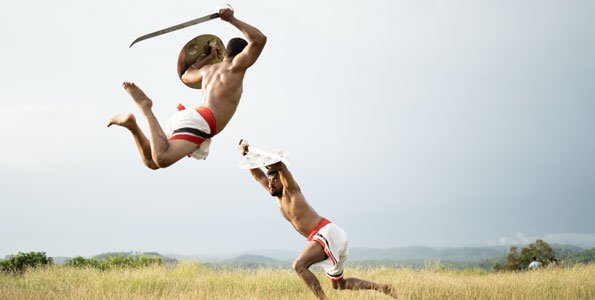
Self-defense is a fundamental aspect of Kalarippayattu, the traditional martial art from Kerala, India. Kalarippayattu encompasses various techniques and principles specifically designed to protect oneself from physical harm and overcome attackers. Here’s how self-defense is approached within the context of Kalarippayattu:

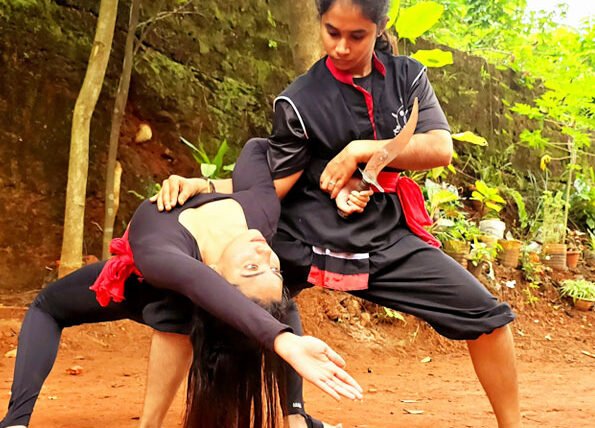
Combat Techniques: Kalarippayattu includes a wide range of combat techniques for both armed and unarmed combat. Practitioners are trained in strikes, kicks, blocks, locks, throws, and grappling techniques that can be used to defend against attackers in different situations and environments.

Body Conditioning: Kalarippayattu places a strong emphasis on physical conditioning to develop strength, flexibility, agility, and endurance. Through rigorous training drills and exercises, practitioners prepare their bodies to withstand and respond effectively to physical attacks.

Vital Points (Marma): Kalarippayattu practitioners are taught about Marma points, which are vulnerable points on the body where striking or manipulation can cause significant pain or incapacitation. By targeting these Marma points with precision, practitioners can quickly neutralize threats and defend themselves against attackers.

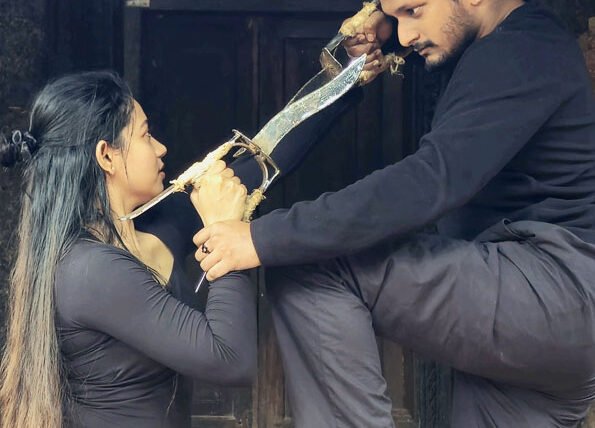
Weapons Training: In addition to unarmed combat, Kalarippayattu includes training with traditional weapons such as the staff (kettukari), sword (kathakali), dagger (otti), and flexible sword (urumi). Weapon techniques are integrated into self-defense training, providing practitioners with additional tools and strategies for protection.

Awareness and Preparedness: Kalarippayattu emphasizes the importance of situational awareness and mental preparedness in self-defense. Practitioners learn to recognize potential threats, assess risks, and respond calmly and decisively in threatening situations.

Practical Applications: While Kalarippayattu techniques can be highly stylized and choreographed, practitioners also train in practical self-defense scenarios to simulate real-life situations. This helps to develop the ability to adapt techniques to different contexts and respond effectively under pressure.

Ethical and Moral Principles: Beyond physical techniques, Kalarippayattu instills ethical and moral principles such as respect, discipline, and restraint. Practitioners are taught to use their skills responsibly and avoid unnecessary violence whenever possible.

Overall, self-defense in Kalarippayattu is not just about learning to fight, but also about cultivating physical fitness, mental resilience, and moral integrity. By combining technical proficiency with situational awareness and ethical values, practitioners of Kalarippayattu develop a well-rounded approach to self-protection and personal safety.