Mon - Sat: 9:00am - 8:00pm
Self-defense is a fundamental aspect of Kalarippayattu, the traditional martial art from Kerala, India. Kalarippayattu encompasses various techniques and principles specifically designed to protect oneself from physical harm and overcome attackers. Here’s how self-defense is approached within the context of Kalarippayattu:
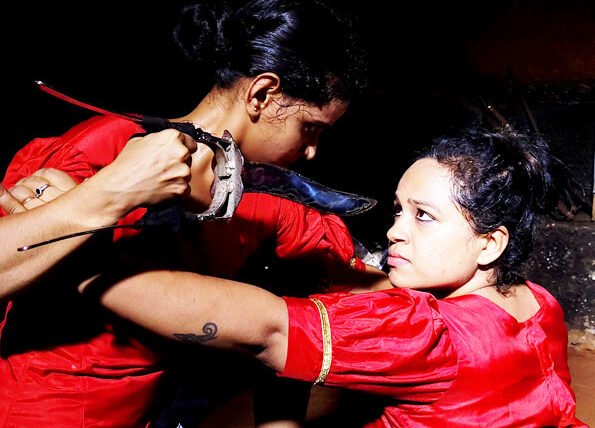
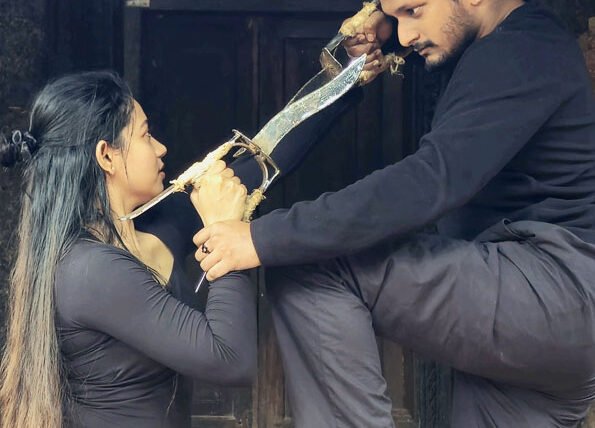
Combat Techniques: Kalarippayattu includes a wide range of combat techniques for both armed and unarmed combat. Practitioners are trained in strikes, kicks, blocks, locks, throws, and grappling techniques that can be used to defend against attackers in different situations and environments.
Body Conditioning: Kalarippayattu places a strong emphasis on physical conditioning to develop strength, flexibility, agility, and endurance. Through rigorous training drills and exercises, practitioners prepare their bodies to withstand and respond effectively to physical attacks.
Vital Points (Marma): Kalarippayattu practitioners are taught about Marma points, which are vulnerable points on the body where striking or manipulation can cause significant pain or incapacitation. By targeting these Marma points with precision, practitioners can quickly neutralize threats and defend themselves against attackers.
Weapons Training: In addition to unarmed combat, Kalarippayattu includes training with traditional weapons such as the staff (kettukari), sword (kathakali), dagger (otti), and flexible sword (urumi). Weapon techniques are integrated into self-defense training, providing practitioners with additional tools and strategies for protection.
Awareness and Preparedness: Kalarippayattu emphasizes the importance of situational awareness and mental preparedness in self-defense. Practitioners learn to recognize potential threats, assess risks, and respond calmly and decisively in threatening situations.
Practical Applications: While Kalarippayattu techniques can be highly stylized and choreographed, practitioners also train in practical self-defense scenarios to simulate real-life situations. This helps to develop the ability to adapt techniques to different contexts and respond effectively under pressure.
Ethical and Moral Principles: Beyond physical techniques, Kalarippayattu instills ethical and moral principles such as respect, discipline, and restraint. Practitioners are taught to use their skills responsibly and avoid unnecessary violence whenever possible.
Overall, self-defense in Kalarippayattu is not just about learning to fight, but also about cultivating physical fitness, mental resilience, and moral integrity. By combining technical proficiency with situational awareness and ethical values, practitioners of Kalarippayattu develop a well-rounded approach to self-protection and personal safety.