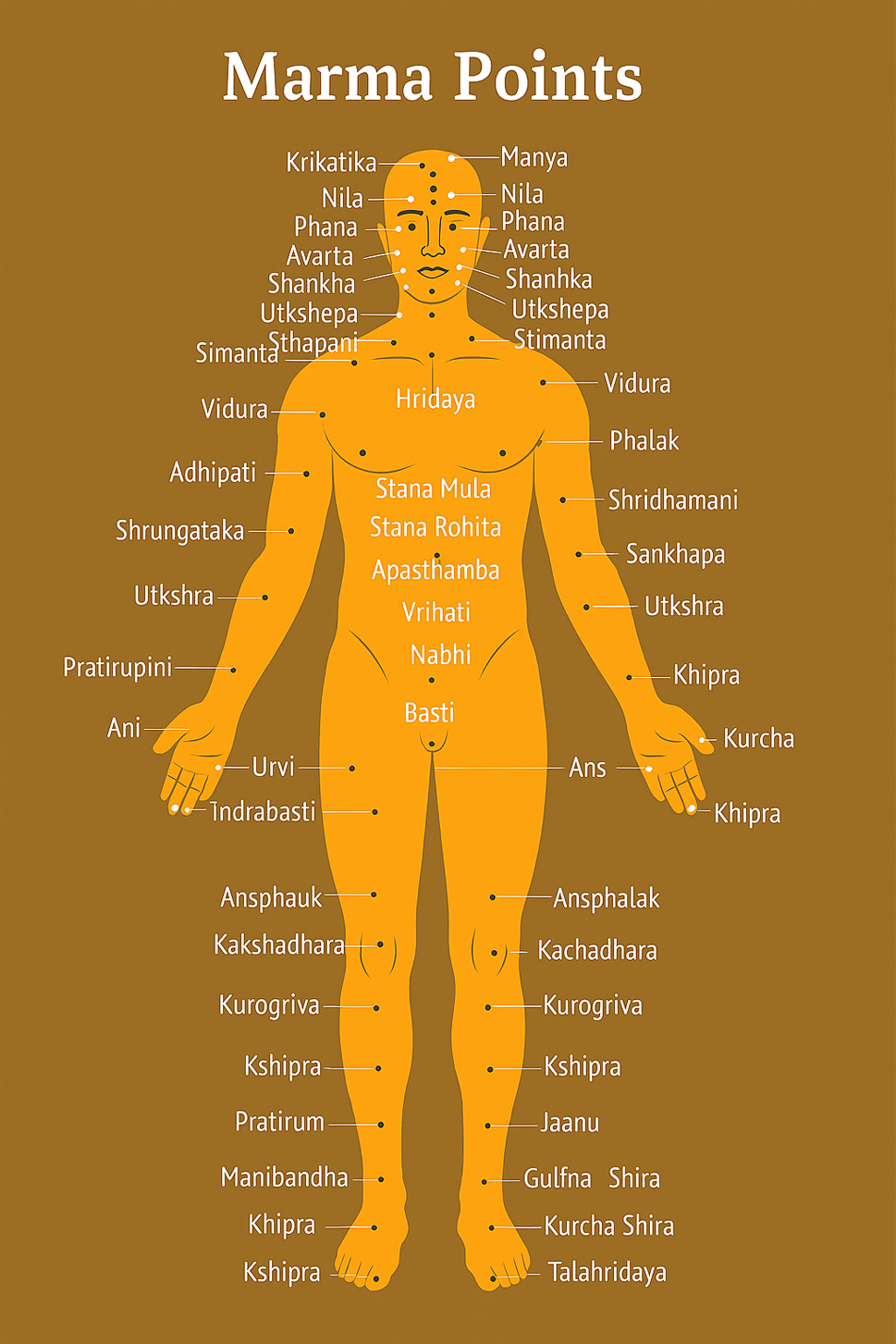
Kalari Marma refers to a specific aspect of the ancient Indian martial art of Kalarippayattu. “Marma” translates to “vital points” in Sanskrit, and it encompasses the knowledge of the body’s vulnerable points, including nerves, veins, arteries, tendons, and vital organs. In Kalari Marma, practitioners learn how to target and manipulate these vital points for both offensive and defensive purposes.
The understanding of Marma points is crucial in Kalarippayattu for several reasons:
It is said that there are 107 marma (vital) points in the human body based on the placement of the organs. There are 44 marmas in both the hands and legs, 3 in the abdomen, 9 in the chest, 14 on the back, 12 in the neck, and 25 on the face and head.
In the human body, death can occur due to injuries caused by cuts, blows, or falls. Such outcomes happen when a marma (vital) point is injured. These specific spots are known as marmas. When a marma point is pressed, struck, or damaged, the body experiences a severe impact. In such situations, it can lead to loss of strength, loss of consciousness, or even death. Any major injury to a marma point can cause lifelong weakness, pain, or illness, bringing lasting suffering.
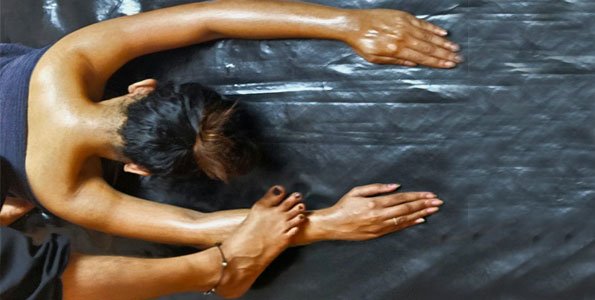
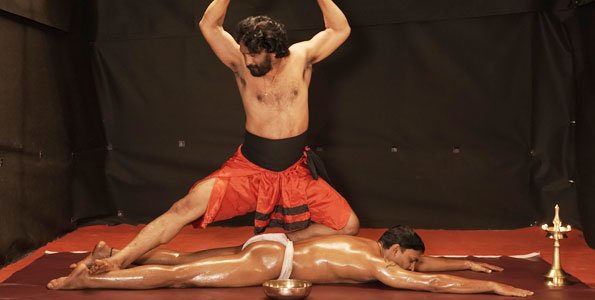
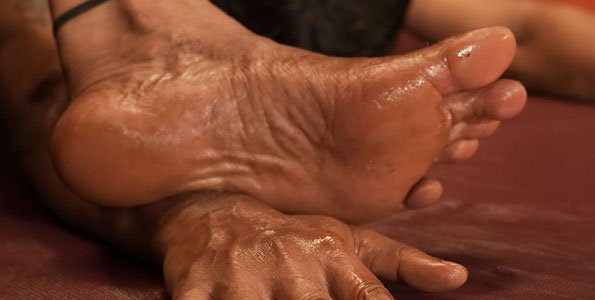
In such situations, the treatment method practiced in the Kalaris is known as Marma Chikitsa (vital point therapy). Since these treatment techniques have been passed down through various lineages of masters (guru traditions), there are regional variations in the methods of treatment and the medicines used. The gurus themselves collect medicinal herbs from nature, prepare the remedies, and administer them to the patients.
In some cases, depending on the injured area, treatment involves stimulating the spot, realigning, or performing chiropractic adjustments as needed. Sometimes, when joint dislocations occur, swelling can be seen. For such conditions, specially prepared oils and herbal pastes are used. Even bone fractures, of almost any kind, can be healed effectively without surgery through Marma Chikitsa (vital point therapy).